When a scientific idea
became a personal direction.
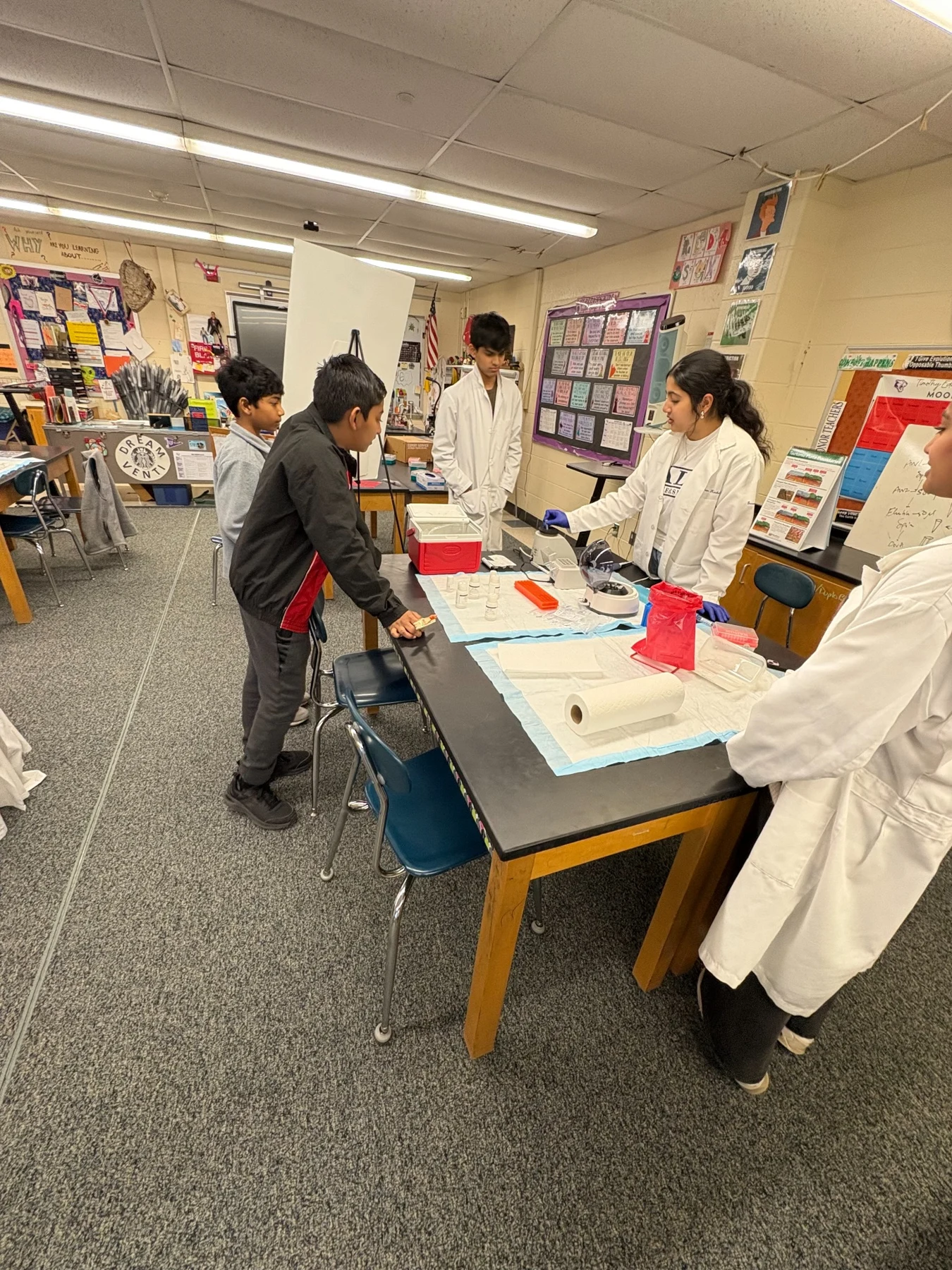
Honestly, I got into biomedical engineering because I like figuring out how things work, and I like that it can help a real person. That connection became real in a genetics lab in Hartford, where I spent more than 70 hours extracting DNA and studying how gene variants influence medication response.
Working with genes such as CYP2D6, CYP2C19, CYP2C9, and VKORC1 changed how I thought about treatment. A medication is not experienced the same way by every patient. Understanding that variation made personalized care feel like a practical problem I wanted to help solve.
Learning in the lab
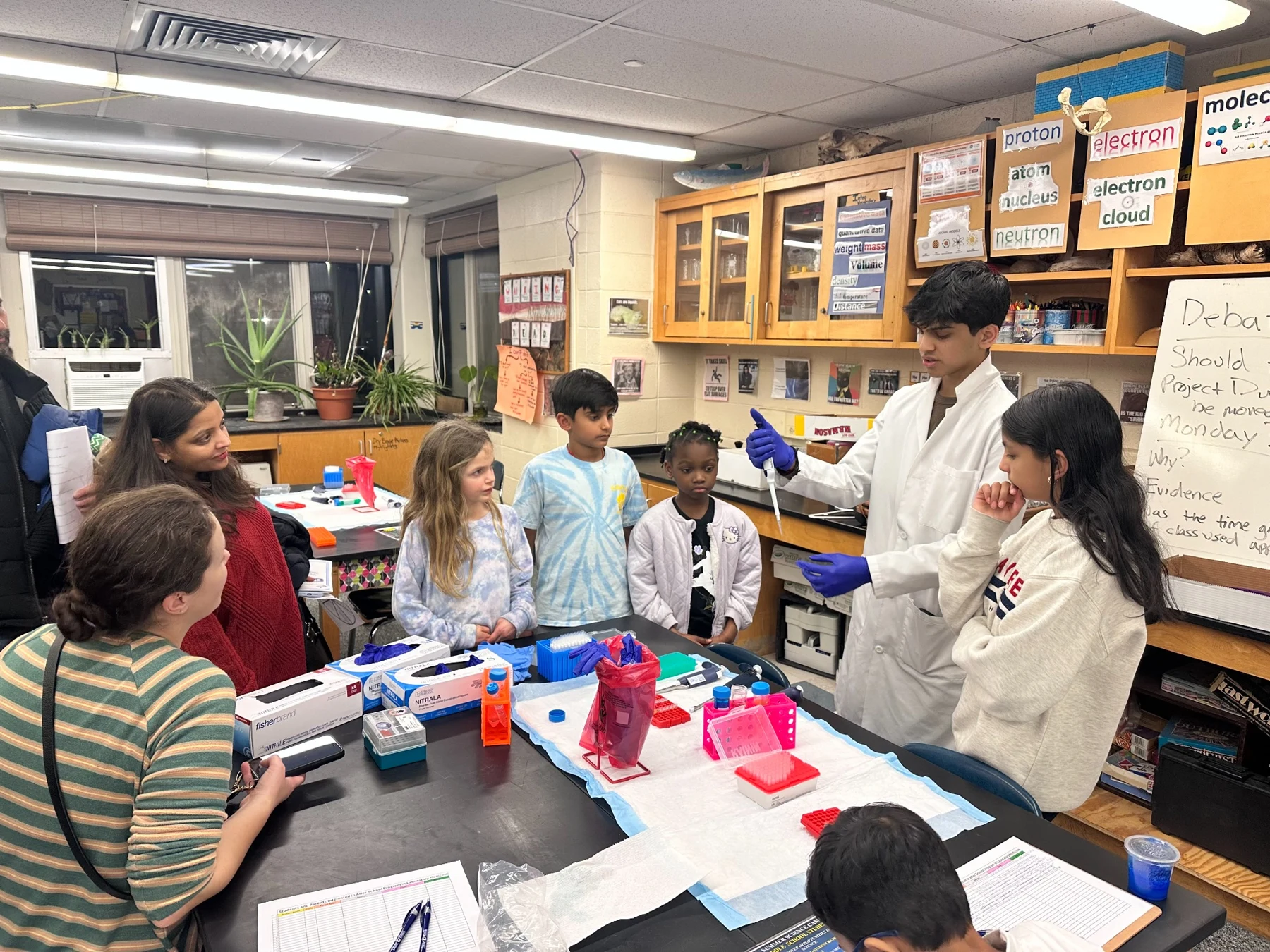
At UConn Health's Oguro Lab, I moved into questions about blood stem cells and leukemia. Genotyping PCRs, electrophoresis, sequencing, colony maintenance, and molecular cloning taught me how much a larger research question depends on careful everyday work.
Learning from people
At Connecticut Children's, I supported patients and families. At MG Health, I listened to physicians describe what a remote monitoring platform would need to work in practice. EMT training brought another perspective: preparing to respond when a person needs immediate help.
I want to connect the precision of science with the realities of caring for people.Read my full story ↗